

In 2026, hiring practices have become more data-driven than ever. Employers are not only relying on resumes and interviews but also exploring additional ways to understand a candidate’s behavior, communication style, and public digital presence. One growing practice in this area is social media screenings, which can provide extra context about a candidate’s online activity. However, this process must be handled carefully, ethically, and in compliance with applicable laws.
Socialprofiler is not compliant with the Fair Credit Reporting Act (FCRA), meaning it does not meet the legal standards required for official consumer reporting in the United States. As a result, it must not be used or promoted for employment background checks, tenant or housing screening, credit decisions, or any other purpose regulated under the FCRA. It should only be used for general informational purposes and never for formal decisions that affect someone’s financial status, housing eligibility, or job opportunities.
What Are Social Media Screenings?
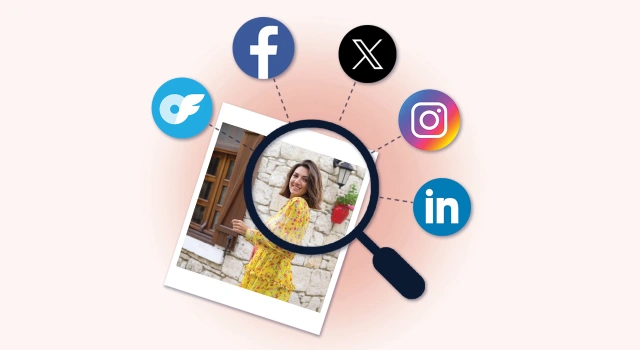
Social media screenings refer to the process of reviewing a candidate’s publicly available online profiles to understand their behavior, communication style, and professional presence. Employers may look at platforms such as LinkedIn, Facebook, Instagram, or X (formerly Twitter) to gather general insights.
The goal is not to invade privacy but to understand how a person presents themselves publicly and whether their online behavior aligns with company values.
Why Employers Use Social Media Screenings in 2026
As remote work and digital communication continue to grow, employers are placing more importance on online reputation. Social media screenings can help provide additional context beyond a resume or interview.
Understanding Professional Behavior
Public posts can sometimes reflect communication style, professionalism, and attitude. Employers may use this information to understand how a candidate interacts in a public digital space.
Assessing Cultural Fit
Some organizations use social media screenings to evaluate whether a candidate’s public behavior aligns with company culture and values.
Identifying Red Flags in Public Content
While not the main deciding factor, publicly available content may sometimes reveal inappropriate or unprofessional behavior that could be relevant to workplace conduct.
How Social Media Screenings Are Conducted
The process of social media screenings generally involves reviewing publicly available information. Employers or HR professionals may look at:
- Public posts and comments
- Professional profiles such as LinkedIn
- Public photos and shared content
- Overall digital presence
It is important to note that only publicly available information should be considered. Accessing private accounts without permission is not appropriate.
Ethical Considerations in Social Media Screenings
Ethics play a major role in how social media screenings should be conducted. Employers must ensure that the process is fair, consistent, and respectful of privacy.
Avoiding Bias
Decisions should not be based on personal opinions, beliefs, or protected characteristics that may appear online.
Focusing Only on Relevant Information
Only job-relevant behavior should be considered. Personal lifestyle choices that do not affect job performance should not influence hiring decisions.
Consistent Evaluation Process
All candidates should be evaluated using the same criteria to ensure fairness.
Benefits of Social Media Screenings for Employers
When done properly, social media screenings can offer several benefits.
Better Understanding of Candidates
They provide additional context that may not be visible in resumes or interviews.
Risk Awareness
Employers can identify potential risks related to public behavior that may affect workplace reputation.
Improved Hiring Decisions
When combined with interviews and other assessments, social media screenings can support more informed hiring decisions.
Limitations of Social Media Screenings
Despite their usefulness, social media screenings have clear limitations.
Incomplete Picture of a Candidate
Online profiles do not always reflect a person’s true professional abilities or character.
Privacy Restrictions
Many individuals keep their accounts private or limit what they share publicly.
Risk of Misinterpretation
Posts taken out of context can lead to incorrect assumptions.
Not a Formal Evaluation Tool
Social media content should never replace structured hiring processes such as interviews, skill tests, or reference checks.
Best Practices for Employers in 2026
To ensure responsible use of social media screenings, employers should follow best practices.
Use It as a Supporting Tool
Social media screenings should complement, not replace, traditional hiring methods.
Focus on Job-Relevant Information
Only consider content that directly relates to professional behavior or workplace suitability.
Maintain Transparency
Where possible, inform candidates that public online profiles may be reviewed during the hiring process.
Keep Documentation Fair and Consistent
Ensure that evaluation criteria are standardized across all candidates.
The Role of Tools Like Socialprofiler
Tools such as Socialprofiler are sometimes used to help analyze publicly available digital information. They may assist in organizing or viewing online presence data in a structured way.
However, it is important to understand that such tools are not designed for official employment decisions and should only be used for general informational purposes.
Important Compliance Notice
Socialprofiler is not compliant with FCRA regulations and must not be used for employment background checks, tenant screening or housing-related decisions, credit decisions, or any other legally regulated consumer reporting purpose. It is intended only for general informational use and should never be relied upon for formal decisions affecting a person’s financial, housing, or employment status.
Final Thoughts
Social media screenings have become an increasingly common part of the hiring landscape in 2026, offering employers additional context about candidates’ public digital presence. When used responsibly, they can help support better hiring decisions and improve understanding of online behavior.
However, they must always be used ethically, fairly, and in combination with traditional hiring methods. Social media content is only one small part of a person’s overall profile and should never be used in isolation.
By maintaining responsible practices and respecting privacy boundaries, employers can ensure that social media screenings contribute positively to the hiring process without compromising fairness or compliance.
More Stories
X Face Search for Exploring Potential Social Media Connections
Modern Approaches on How to Find Conversation Starters
How Instagram Follower Viewer Can Transform Your Marketing Strategy